The PC-versus-console gaming argument has long been moot, and not to beat a dead horse, but PC gaming has always had a smug little trump card called power. Here in the world of PC gaming, paying more gets you more frame rates, sharper textures, better settings, and less compromise. Lately, however, that entire argument has started to wobble, because the cost of keeping up has turned borderline ridiculous.
The RAM crisis has ballooned memory prices across the stack
PC gaming becoming a luxury habit again wasn’t on my 2026 bingo list
Whether it’s system RAM, VRAM, or fast SSD storage — one upgrade doesn’t solve the problem anywhere. Modern AAA games increasingly are now inching towards needing 32 GB RAM as the baseline (even though 16 GB still works), and GPUs want more VRAM than mid-range cards can easily offer. Plus, storage isn’t optional either, because if you don’t have an NVMe SSD, you’re basically asking for stutter, and you need a big one too, considering the size of some modern games.
Now, toss in the AI bubble. Suddenly, RAM isn’t just “for gamers” anymore. VRAM isn’t just for textures, either, now. Every big company on Earth is fighting for the same silicon, memory supply, and manufacturing capacity, and gaming doesn’t exactly win that tug-of-war. That pressure trickles down into prices, availability, and the overall vibe of PC building right now.
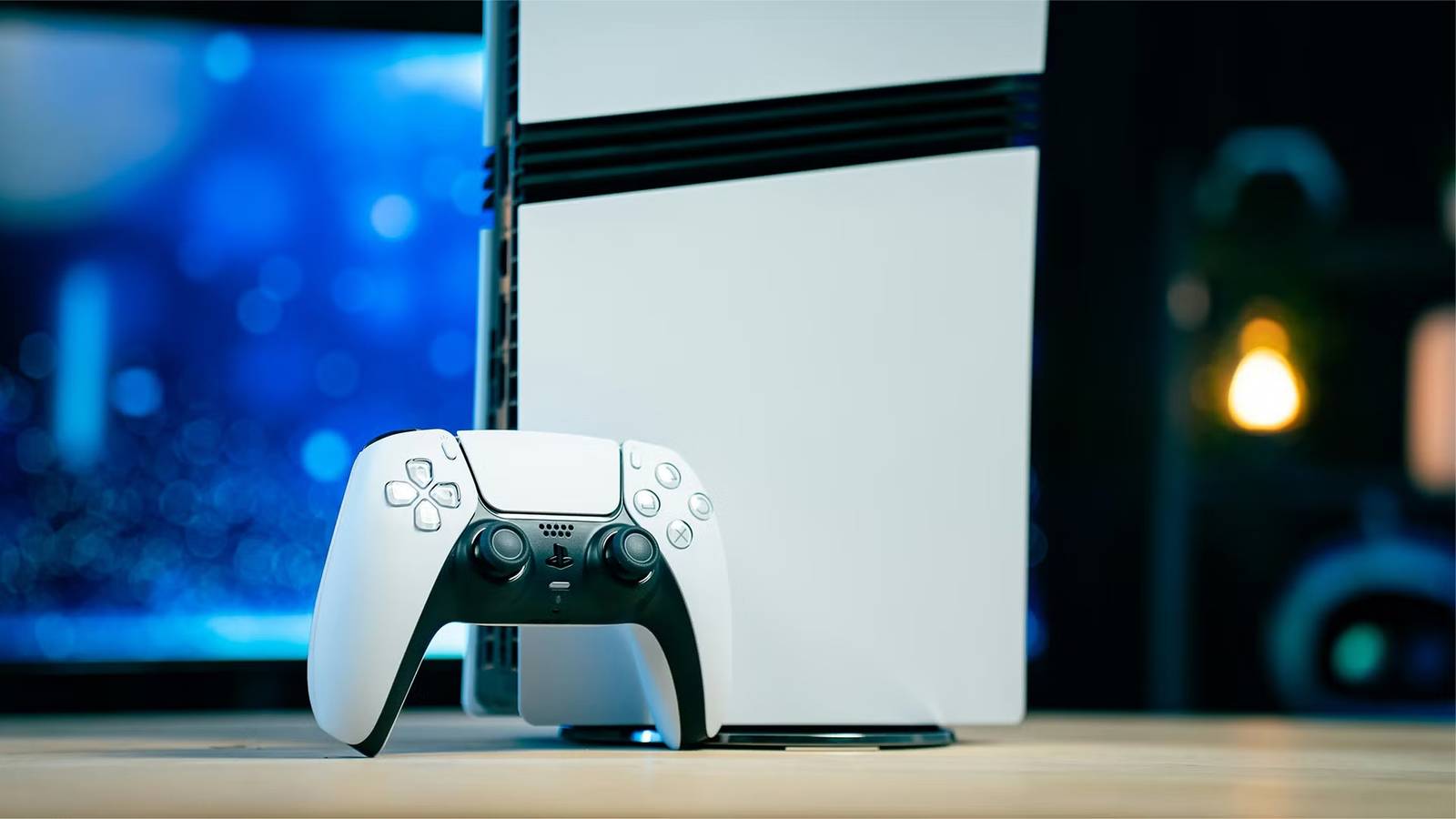
So yeah, you can build a great gaming PC in 2026, but the bigger truth is this: the baseline entry point for “PS5-level smooth AAA gaming” on PC has shot up so high that it has become a massive financial commitment. At that point, the only thing that really makes sense is to walk into the nearest Walmart and pick up a PlayStation 5.
Console pricing hasn’t spiraled the way PC gaming has
That’s what changes everything
The funniest part here is that neither have consoles magically gotten better, nor have PCs somehow gotten worse. What actually happened is way simpler: the price of a console is still a number you can wrap your head around. A PlayStation 5 is still something you can walk into a store and buy without building a spreadsheet, checking five different websites, and wondering if you’re getting ripped off this week. In the US, the PS5 Digital Edition being available around that $499 mark is exactly the kind of price stability PC gaming just doesn’t have anymore. And that matters, because stability is value.
Meanwhile, PC gaming prices haven’t risen in one clean, honest line. They’ve risen in layers. You’d be buying a 40-series or a 50-series RTX card or an AMD equivalent, along with a power supply that won’t explode. You’d also need a good case with great airflow, and DDR5 RAM, of course, because newer platforms push you there. Put all the other parts together, and it’s nearly impossible that in 2026, you could build a new gaming PC that rivals the performance and visuals of a PS5 (4K at 60FPS) for the same price. Yes, consoles employ some rather heavy upscaling, but without DLSS or FSR on PC, it’s next to impossible to get anything close to playable framerates with the same visual quality as that on a PS5 if you’re on a mid-spec PC.
With the prices of some 32 GB RAM kits alone crossing that of a brand-new PlayStation 5, we’re still looking at a 16GB DDR5 RAM stick being in the near-$200 territory, the two major consoles are no longer “competitive.” Now, they’re the only option that makes sense for normal people who want next-gen visuals without taking out a small loan.
RAMflation could make a console an even smarter investment
Delays to next-gen consoles could extend the current generation’s lifespan
Here’s where the RAM crisis may help out consoles in a way that’s almost unfair: it might quietly stretch the current generation’s lifespan, and we’ve already seen how this movie plays out. The PS5 generation didn’t feel like it truly started until years later. There was no giant flood of must-play exclusives right out the gate, either. Demon’s Souls was a killer launch showcase, sure, but most of the generation’s big heavy hitters spent a long time being cross-gen. God of War Ragnarök, all the way back in 2022, was (and still is) playable on PS4, which alone tells you how willing publishers are to support older hardware when it makes financial sense.
With almost all of 2026’s memory reserves (that are yet to be mined) already pre-ordered and booked by every AI company on the planet, it only makes sense to juice the current-gen console for all they’re worth, and then some.
If the PS6 and the next Xbox arrive later than expected — and I think there’s a very real chance of that — then the PS5 automatically becomes a better purchase today. You won’t be buying a console that’s about to be replaced, but rather, one that’s about to be supported for longer. Even if it isn’t, the cross-gen support is certainly sticking around until late 2028 or 2029, which, for a $500 purchase right now, is just fine. The visual bridge between a well-optimized PS5 game and a solid PC experience has gotten smaller than most people want to admit, especially now that so many modern games rely on dynamic resolution, reconstruction, and scaling anyway.
PC gaming is getting priced out
The RAM situation isn’t the only reason consoles look attractive right now, but it’s the clearest symbol of what’s happening to gaming hardware as a whole. PC gaming has crept back into “premium hobby” territory, where matching a console-quality experience costs more than it logically should. That’s where the PS5 and Xbox Series consoles quietly benefit the most: they’re still fixed-price machines in a world where everything else is fluctuating, inflated, and fighting for supply.
Even if this generation has been lighter than expected on first-party exclusives, the PS5 still gets basically every major AAA release that matters, along with enough exclusives and console-first optimization to justify the purchase. Moreover, if the next-gen timeline stretches, that value only compounds.
This isn’t even a hot take anymore. In 2026, if you want modern visuals with stable performance, and the cleanest cost-to-fun ratio without paying for parts that are sky-high in prices owing to memory that hasn’t yet been mined for data factories yet to be built, buying a console might be the most rational gaming decision you can make.
PC gaming is becoming a luxury: Why the RAM crisis is a win for consoles